Brian, Jerry, and Vivian: Why I write
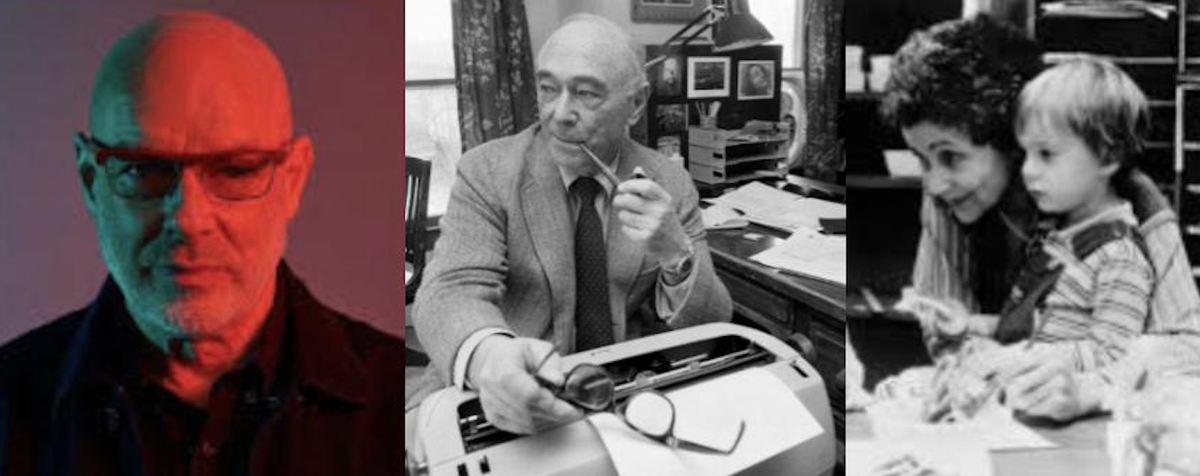
The Studio for Playful Inquiry is a vibrant, international community of educators who think deeply about the role of playful learning in our turbulent times. Each month the Studio's facilitators, Susan MacKay and Matt Karlsen, pick a theme to organize the community's conversations. In June the theme is “Stories” as a way of advancing our individual and collective understandings of pedagogy. As part of the conversation, they have invited me to discuss with them the essays I post here on The Remake. Preparing for our discussion brought three people to mind: Brian, Jerry, and Vivian.
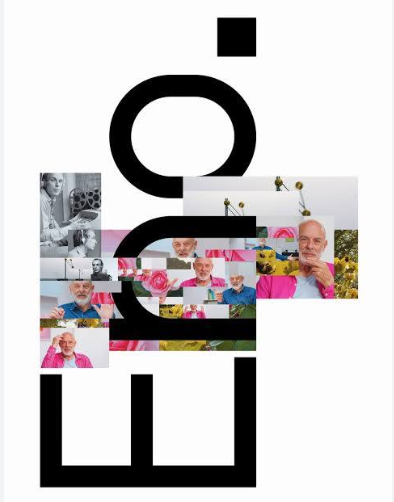
Brian is Brian Eno, perhaps my favorite artist. Even if you have never heard of Eno, you have heard of the musicians he has collaborated with: U2, The Talking Heads, David Bowie, Cold Play, Grace Jones, and Laurie Anderson among others. Eno is a lyricist, composer, visual artist, theorist, and activist (working on environmental issues). He is the subject of a fascinating documentary titled Eno. I have seen the movie three times and each time it was very different; remixed by a computer software that allows for an estimated 52 quintillion permutations of the film. I bring Brian forward because of his idea that art is “where we share our dreams.”
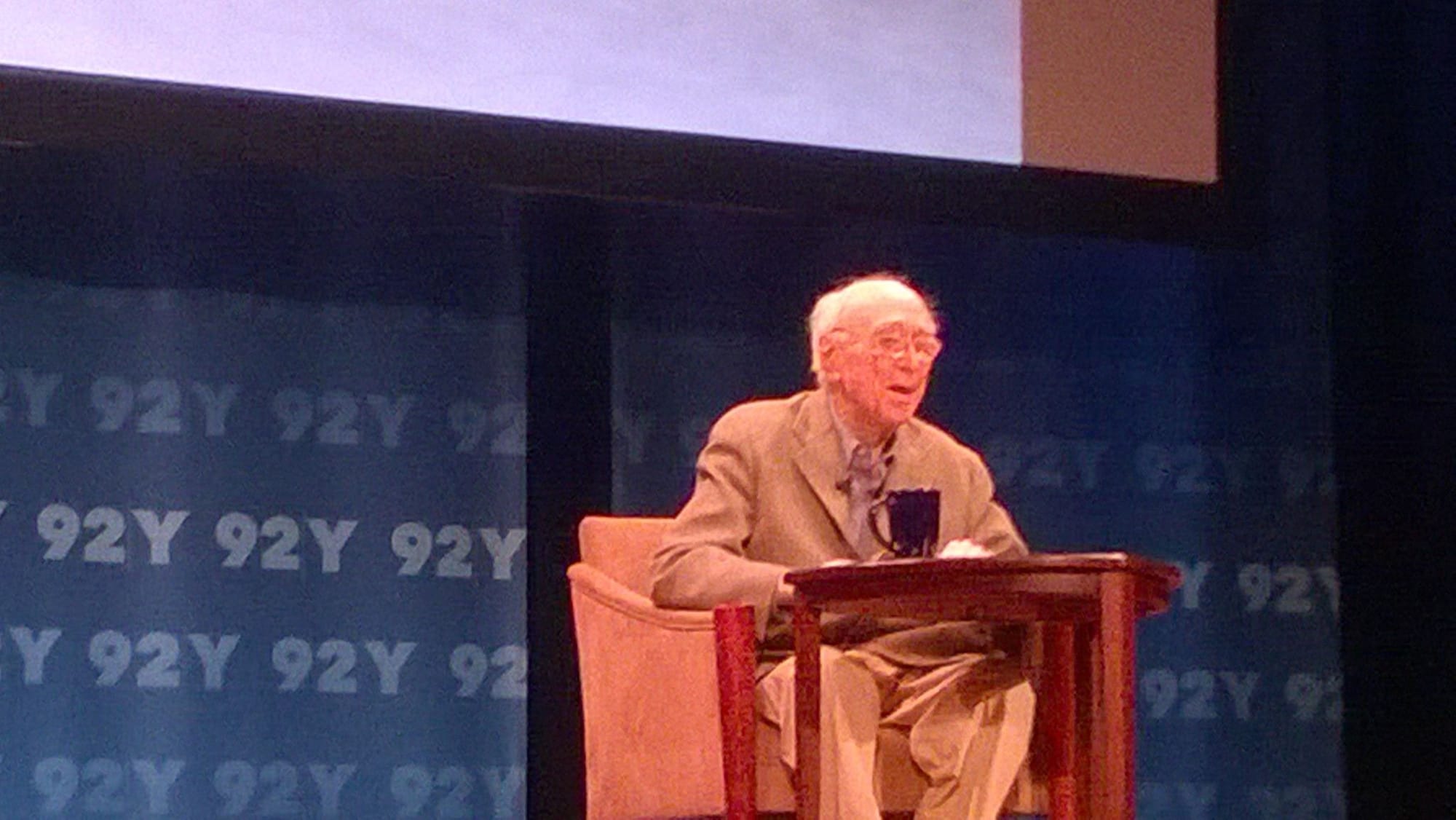
Jerry is Jerome Bruner. After Alison Gopnik, he is my favorite developmental psychologist. An honorary citizen of Reggio Emilia, it is said of Bruner that, along with Piaget and others, he helped formulate the cognitive revolution that swept aside behaviorism as the dominant camp in psychology in the 1960s. The one time I met Bruner was at a conference on the Reggio Approach in New York City. He came to my workshop (a great honor) and then gave a talk to end the conference. At 96, he was thoughtful and articulate. I bring Jerry forward because of his ideas about narrative (storytelling) as an essential way people make sense of the world.
Vivian is Vivian Paley. Creator of Storytelling/Story Acting, author of a dozen books (all insightful texts about teaching and learning and eminently readable), and the only early childhood classroom teacher to be awarded a MacArthur “Genius” grant, Paley taught young children for more than forty years. When I was a young teacher I would quip that, “When I grow up I want to be Victor Paley.” In my fifties I began a correspondence with Vivian and the letters I received are cherished possessions. I bring Vivian forward because, as she explained, writing stories about her classroom helped her become a better teacher.
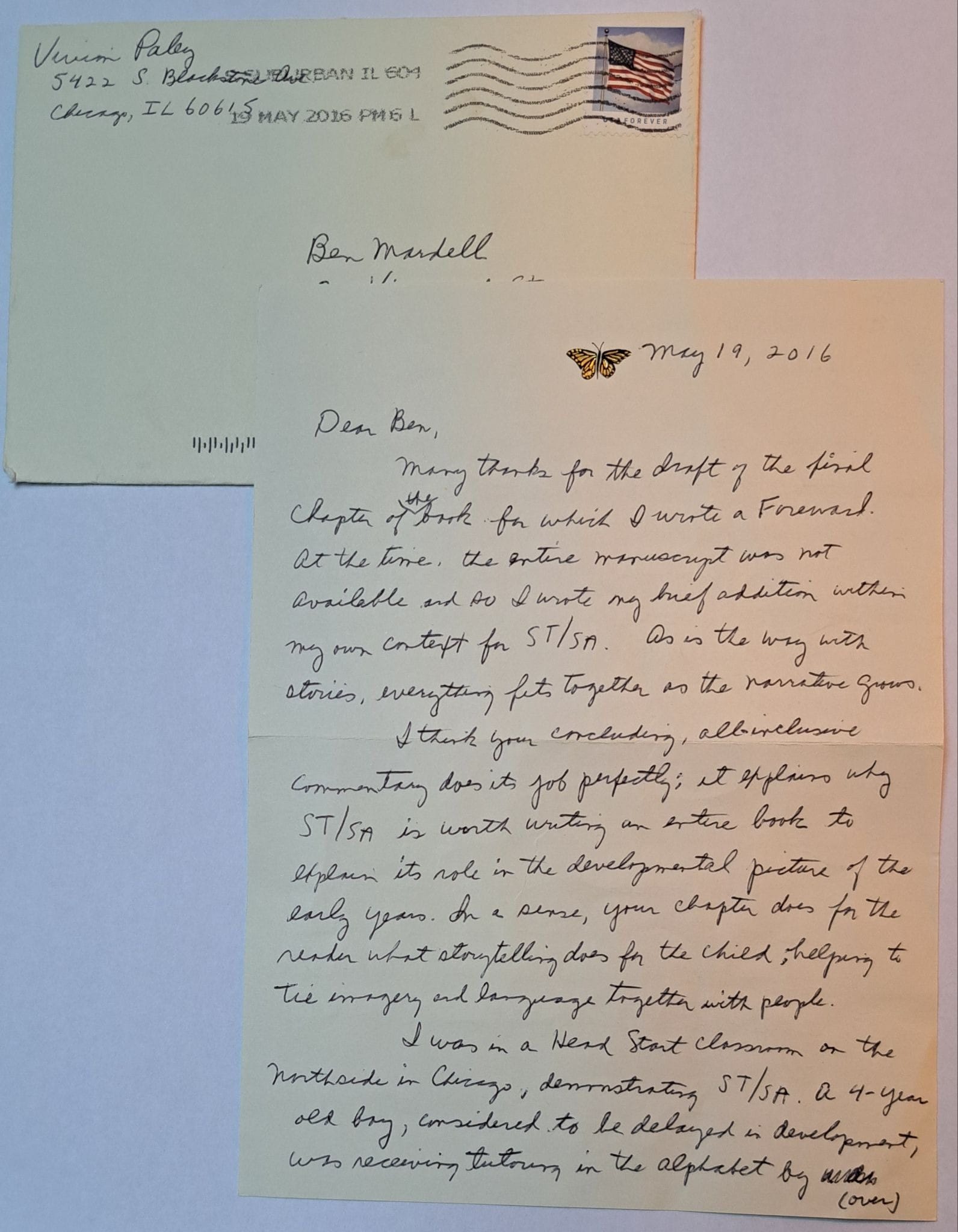
In this essay I share how the ideas of Brian, Jerry, and Vivian help explain why I write for The Remake. Throughout I consider the relationship between theory (ideas that provide lenses to help understand experiences) and practice in my teaching and writing.
Writing as a way to share dreams
One of my favorite lyrics is from the 1990s punk band The Gang of Four who sing, “We live, as we dream, alone.” The message of the song: to change the world we cannot just dream (and live) alone. We need to dream together, to share our dreams.
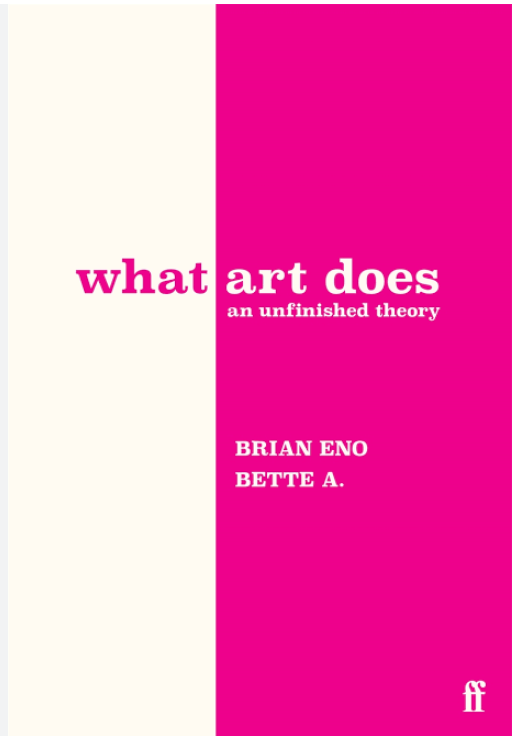
In his new book What Art Does: An Unfinished Theory (there is that word again, theory), coauthored with Bette A., Brain Eno explains that art is a way of sharing dreams. They write:
What an artist chooses to write or make drawings or songs about, can draw our attention to certain worlds. It tells us that somebody takes something seriously, perhaps finds it beautiful or threatening, and invites us to rethink how we feel about it. The things we care about are the things we make art about. We frame them with our attention.
They go on to explain, “Art is where we share our dreams (and nightmares)”, and conclude, “Art is one of the most powerful ways… of finding out where our common ground and where our differences lie. Art makes community.”
Brian and Bette define art expansively: something humans do that we do not have to. On this list of extras are: writing songs, making jewelry, dancing, decorating coffee mugs, embroidering clothes, writing poems, and more. There is a whole chapter on hair cuts. While there is a functional dimension of hair cuts (keeping hair out of one’s eyes), there is often an artistic dimension (think the bob, pixie and pompadour).
Under this definition, my Remake essays fall into the category of art. No where in my job description is there anything about writing essays. More importantly, I find writing for The Remake creative and expressive.
These essays are where I draw attention to classroom events and ideas I find important–the playful persistence and hypothesizing of three year olds and the importance of care–and can invite others into a conversation about them. The first level of these conversations are with close colleagues, friends, and family members, the folks who read these essays before they are published. They include Newtowne director Caitlin Malloy, Remake co-editor Amos Blanton, my wife Liz Merrill, and my writing group friends. Anything about climate I share with my son Sam.
These folks help make the stories I tell clearer and bring forward important commentary. For example, last spring I wrote about a mind numbing, insulting, 12-hour long online professional development early childhood educators in Massachusetts are subjected to. Reading a draft Amos remarked that yes, state bureaucrats wasted a half a day of your time, but imagine the children who spend 180 days, year after year, subjected to such transmission education? A good observation to point out in the essay.
The second level of conversations is with the readers of The Remake. Not always, but often, a reader will share substantive thoughts about an essay and sometimes there are follow up conversations. One particularly memorable chat was with Sarah Fiarman and Ruth Charney about the Responsive Classroom Approach (which Ruth helped formulate). Ruth’s point that care is teachable is an idea I continue to hold on to in my work.
So paradoxically, the individual activity of writing helps me not be alone. These essays are where I share my dreams. These dreams are my unfinished theory about the role of playful learning in our era of rapid climate change.
Writing as a way to make sense of the world
So why writing in particular?
A few weeks ago my student Clara, age 3, told me the following story:
There was a turtle and then it went to a town called New York City. And then the turtle went to the New York City Ballet. And Clara was on the stage. And the turtle wondered, “Could I dance ballet on the stage?” “But if you are a little bit older,” her mom said. The end.
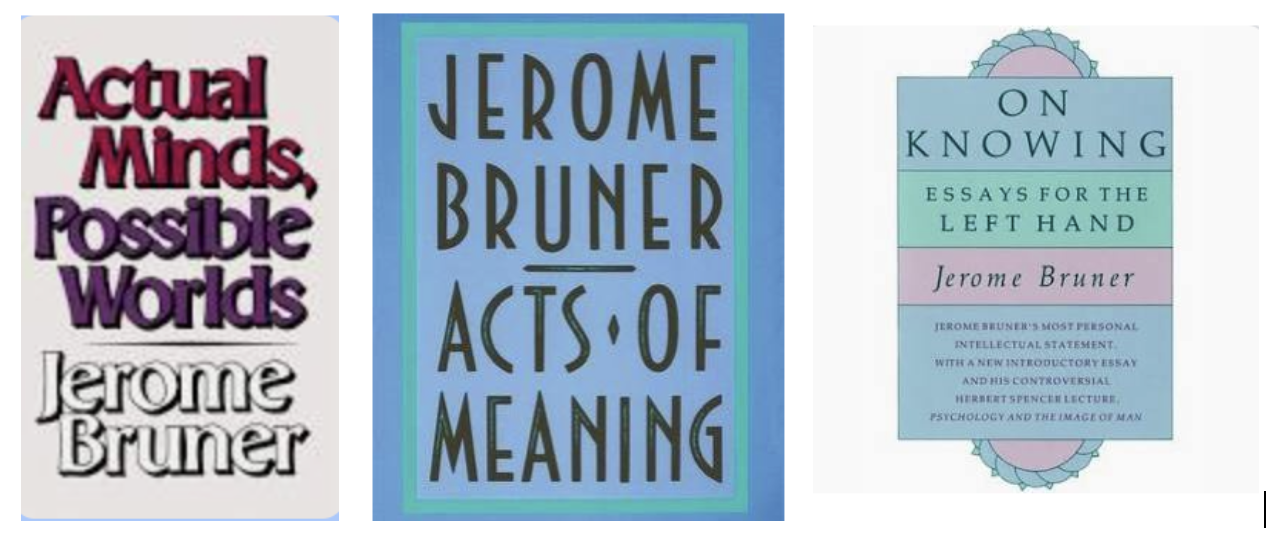
Sometimes classroom life provides perfect illustrations of developmental theory. In this case the theory is Jerome Bruner’s idea that narrative is a way humans make sense of the world. Bruner argued that, akin to logical thinking, constructing stories is a vital way people interpret and make sense of the world.
Knowing of Clara's keen interest in anything related to ballet (especially the Nutcracker whose protagonist is named Clara) one can see her making sense of the world with her story. She skillfully uses her developing storytelling skills to voice her desire to dance on the stage and understanding that she will have to wait until she is a bit older. An impressive accomplishment given the novelty of the different emotions she is navigating and the many things she attends to each day (three-year-olds pay attention to everything). It is an accomplishment based on how her family and teachers have nurtured her narrative abilities.
Of course, adults tell stories too, and we do so to make sense of the world. Working with young children, there is a lot to be made sense of; so much happens in the classroom each day. In our confusing times of rapid technological change, rising authoritarianism, and climate change there is a lot to attend to beyond the classroom.
In my writing I try to make sense of the experiences I have with my students in relationship to our troubling times. In other words, along with fashioning coherent stories I need to identify what stories are important to tell. An example is the essay where children discuss strategies when they are scared. Telling stories helps me see my role as an educator more clearly.
For these Remake essays this involves multiple drafts as I work out what are the key elements to share and how to share them. Over time I have gotten better at this process and, after forty years of sharing classroom stories, it still takes time. I would like to think I’ve gotten better at this effort as I have a lot of stories to share (and not enough time to write them all). As Bruner explains, “Stories happen to people who know how to tell them.”
Writing to be a better teacher
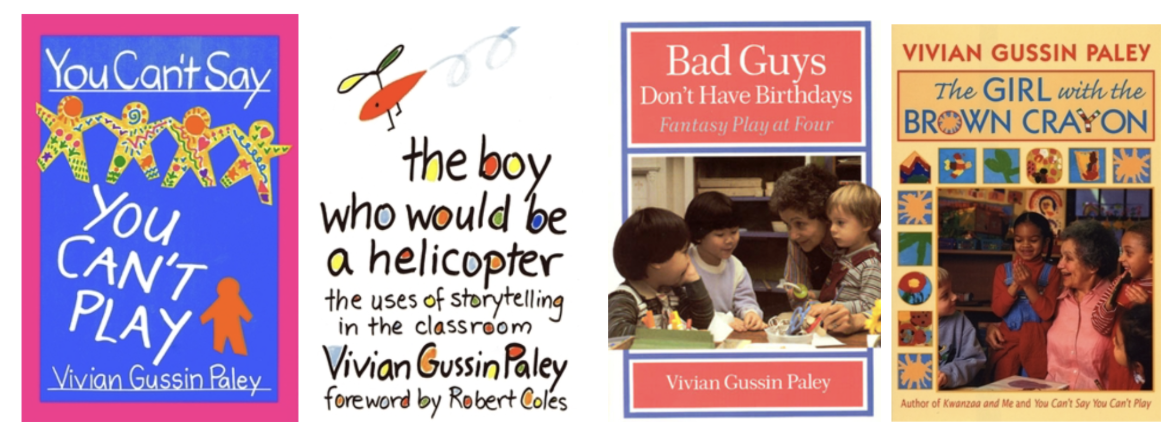
In her 1986 essay Listening to What the Children Say Vivian Paley shares how she discovered the tape recorder as a research tool. She explains how listening to recordings of her classroom gatherings and children at play helped her better understand her students’ thinking and her role in facilitating their learning. Vivian then wrote about what she was hearing (and seeing), synthesizing the data into compelling stories. It was clear to Vivian that this research made her a more attentive listener and a better questioner. In short, it made her a better teacher.
“Same, same” as we say at Newtowne. While I do not have a tape recorder (though occasionally record using the voice memos app on my phone), I take photos and video, save children’s drawings and paintings, and write up notes about each studio session. Looking back over this documentation, discussing it with colleagues, and then writing about my experiences makes me a better teacher.
Such reflection is particularly important at a school like Newtowne, where we do not have a preset, boxed curriculum. My colleagues and I shape the curriculum based on our learning goals for the children and the children’s interests. I relish this freedom I have at Newtowne. It is also a big responsibility, shaping the learning experiences of 55 children in 4 different classrooms. Writing helps me clarify my learning goals, stay aligned to the children’s interests, and imagine new possibilities for curriculum. A few examples:
- Writing about a school-wide inquiry into spiders, and discussing this writing with Matt and Susan, helped me clarify my intentions when fostering children’s relationships with other creatures. Spiders are amazing engineers and come in a breathtaking variety of shapes and colors. Some are also dangerous. I realized the goal was not to get my children to love spiders, but to respect them and begin to understand the interconnectedness of the natural world (including humans).
So I picked a critter where there is complexity for the children to discuss: wild turkeys.
My fellow Cambridgians have diverse and often strong opinions about the turkeys that live in our city. There is a Facebook page created by enthusiasts who share photos of the birds. Others describe them as “feathered fiends” and bemoan their disregard for traffic patterns and occasional aggressiveness. Asking the children if the turkeys should be moved out of our city led to nuanced conversations about how to take care of both people and turkeys.
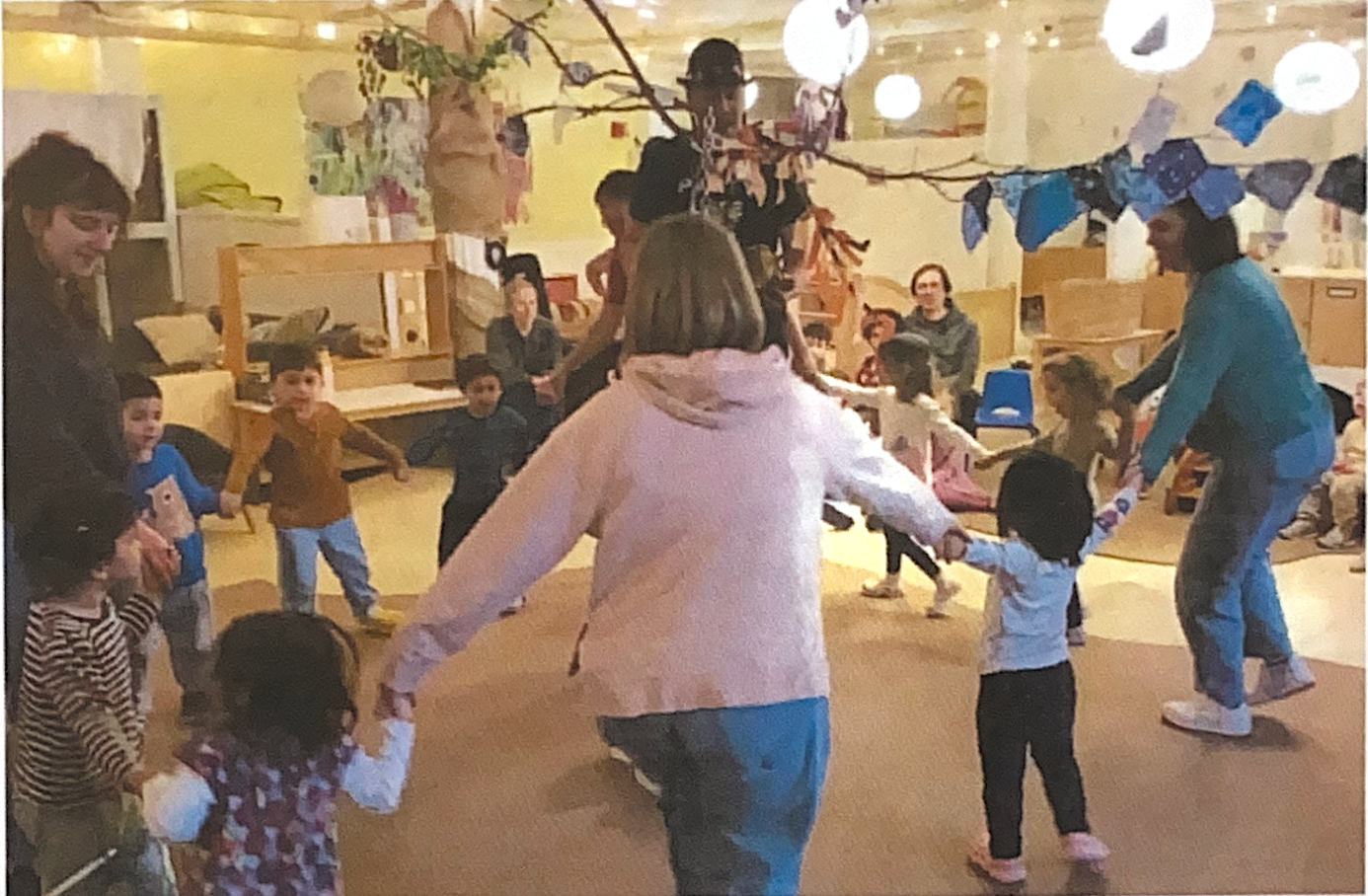
- On a trip to Australia last March I was impressed by how many early education programs incorporated an Indigenous perspective into their curriculum. Writing about the trip helped me articulate a similar professional relationship to a Native American educator I hoped to bring to Newtowne. The essay allowed me to share a vision (dream) with the Newtowne community and funders. The result, since January Annawon Weeden, an educator and member of the Mashpee Wanpanog tribe has visited the Purple Fish classroom (3-year-olds), sharing stories, artifacts, and dances with the children. After each visit Annawon, the Purple Fish teachers, and I review documentation of children’s thinking to make plans for the next visit.
- For several months I have facilitated the Special Critter Friends project with the Green Dragonflies (5-year-olds), helping each child select an animal that completes them, makes them stronger. The Dragonflies love their critter friends. With their deep engagement in the project in mind, I ended a recent essay on the inquiry with the musing:
Throughout, the children have imagined ways their Special Critters Friends can help them. Knowing that the real critters involved here are threatened by climate change, what if my next volley involved asking the children to consider ways they could help their Special Critter Friends?
Answering my question, I decided to ground the start of a conversation about climate change with a request from their critter friends for help. Their friends explained that the warming earth was hurting them (less food and fewer places to live). The children responded with some creative solutions: running to school instead of driving, making a poster with a rainbow and family members to remind the people who make our energy to how beautiful the earth is (and so use sun and wind rather than fossil fuels), and harvesting the electricity of electric eels. There will be a Remake essay to share more about my thinking about talking to young children about climate change.
Susan has observed that my Remake essays lean into stories. I am pleased to find another similarity to Vivian. One might ask, how can “just telling stories” make someone a better teacher (though Bruner would say there is no such thing as just stories)? In Vivian’s writing there is also theory. I will go as far as to claim Vivian was a master theorist. Evidence for my claim: Patsy Cooper wrote an entire book, The Classrooms All Children Need, about the theory embedded in Vivian’s books.
Vivian’s good friend, the teacher educator Gillian McNamee explains a process where Vivian used theory to understand classroom experiences, and how, in turn, her classroom experiences deepen her theoretical understanding of teaching and learning. Vivian was particularly taken by the ideas of Vygotsky (e.g., that in play a child stands a head taller than his usual self) which influenced her own thinking about the role of play in learning. However, Vivian did not call herself a Vygotskian. Rather, her theory was an eclectic mix of theories that she made her own.
I have experienced this dialectic myself, using theory to frame a situation and then have classroom experiences deepen and even change that theory. In documenting and reflecting (in my case through writing), I strive to achieve something that my friend Mara Krechevsky identified as a similarity between Paley and the educators in Reggio Emilia. She writes, “Through the process of documentation, teachers bring together theory and practice; they become researchers of the human experience of teaching and learning.” Engaging in such research, we become better teachers.
A conversation about writing and stories
This essay will be the starting point for next month’s conversion with Matt and Susan. I am not sure what direction the conversation will take. I am confident that some interesting ideas will be discussed.
One reason for my confidence: Susan and Matt are among the best educational theorists I know. That may be a surprising statement since they have never worked at a university. And like Vivian Paley, the educators in Reggio Emilia, Ron Berger of EL Education, and Ruth Charney, because of their depth of their experiences with children in schools, they have created some of the theories that I find the most useful in guiding my teaching practice.
Every time I talk to Susan and Matt I learn something. If you tune in to our conversation next month, I suspect you will too. Details of how to listen in, and how to become a member of the Studio, can be found here.
My thanks to Susan and Matt for their work at the Studio for Playful Inquiry, an inspiration to educators around the world. Thanks to Steph Nowack for getting me thinking about who my favorite artist is. Thanks to Amy Rothschild, Mara Krechevsky, and Liz Merrill for their feedback on this essay. And to Brandeis University for making the Vivian Paley essay Listening to Children publicly available.